Metaverse
by Umety (LaunchMyCareer)
Metaverse environment for VR, Web & Mobile • 2023
Role
UI/UX Designer
Timeline
6 months
Team
Me and Prashant Singh Senghar (PM)
My role in this project
I joined UMETY (previously LaunchMyCareer) in 2022. As part of 5 designers team, there I worked on multiple internal projects and help business ensuring a harmonize and consistent look through the different devices, ensuring a user-friendly experience. My most important contribution was being the visual identity change to align the company business more well and reducing the eye strain by changing color tone for longer VR usages, and made the learning available anytime.
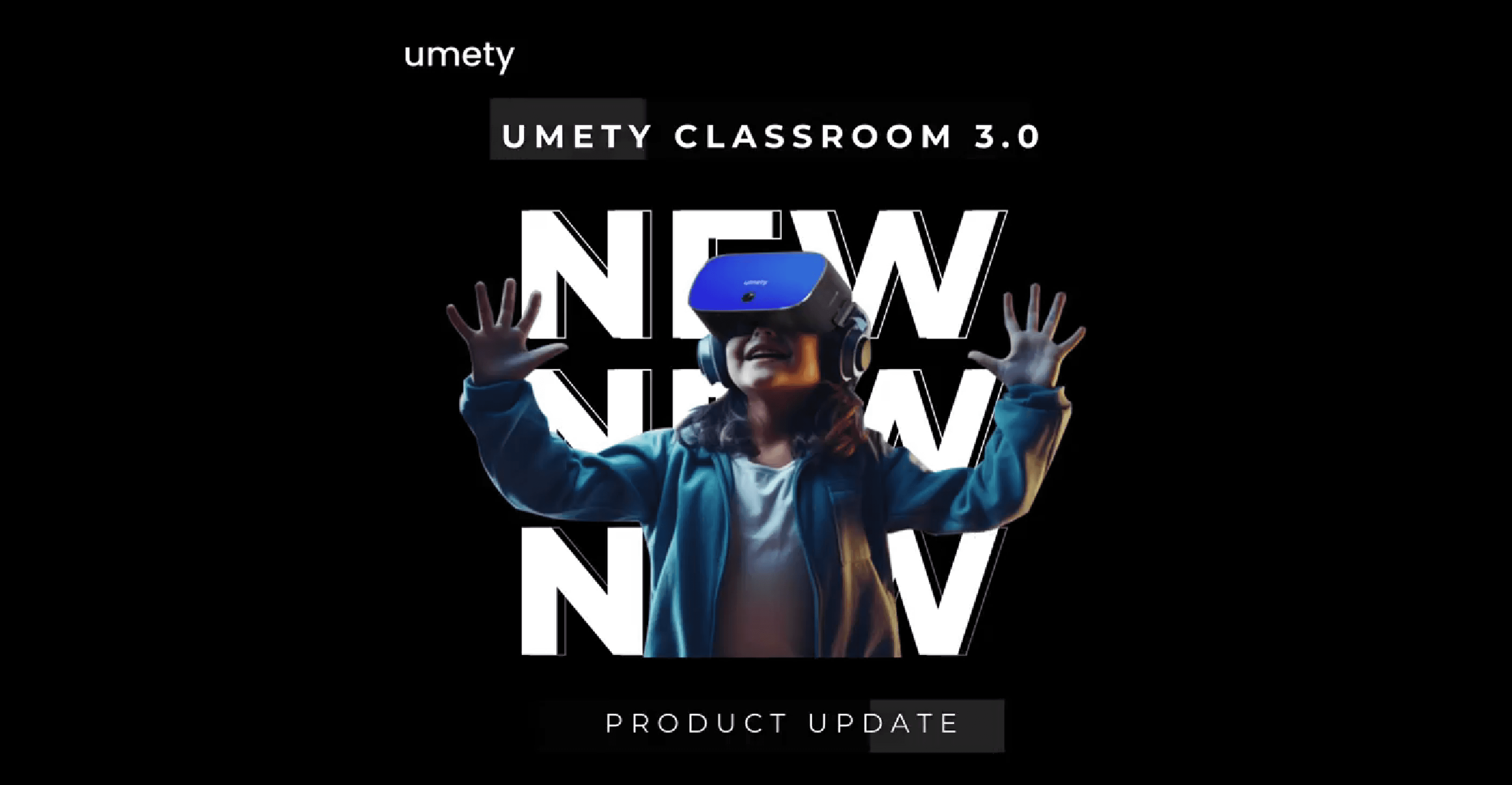
Results
✅A fresh new look which increases the domains trust and aligning towards more into technical domain
✅Faster app response and processing by changing the poly of environments
✅Bite-sized learning lessons snappier lessons that make progress feel like a breeze.
✅Short down the task completion rate
✅Interconnected subject environment in metaverse
✅Easy to track the learning process of a student
✅Learn anytime from anywhere
What we need to fix
Our goal was to revolutionize how children learn by making the current process easier, faster, and more engaging. The project aimed to address the challenges students faced while learning due to complexity, limited accessibility, and sluggish processes which make them to thought of “bunty tera device slow h kya?”
Objectives and Goals
Our primary objective was to increase student engagement and task completion rates. We aimed to achieve this by redesigning the VR learning environment, improving the flow of lessons, and clarifying subject definitions. Our key performance indicator (KPI) was the task completion rate, which we aimed to triple.
Research and Insights
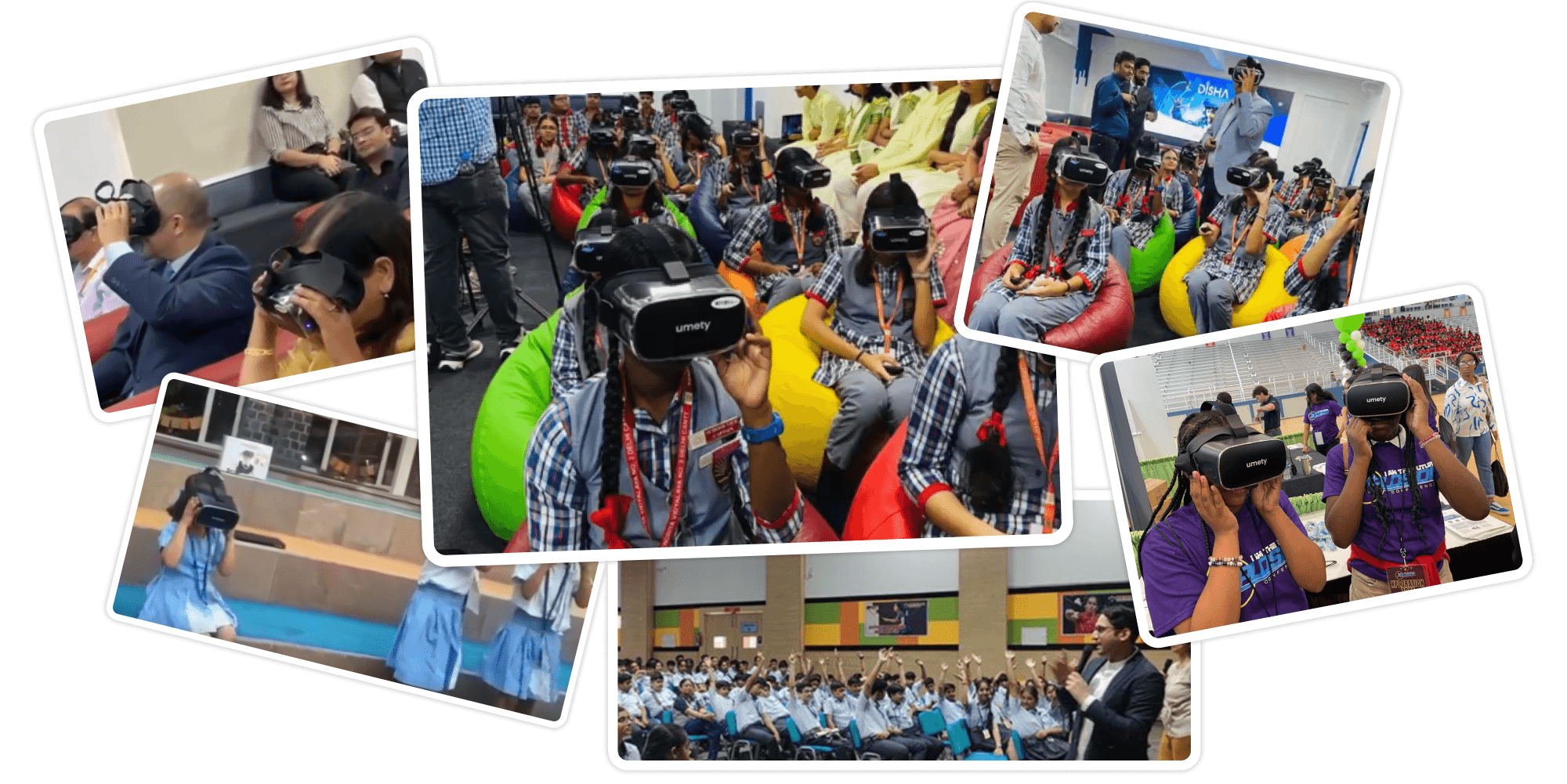
We conducted observations in school settings, observing students interacting with the old platform and gathering feedback. Interviews with students and teachers revealed that the platform was overwhelming, the content was poorly organized, and the subject matter was difficult to understand. Based on this feedback, we created user personas representing typical K-12 students with different learning styles and technological proficiency.
Ideation and Concept Development
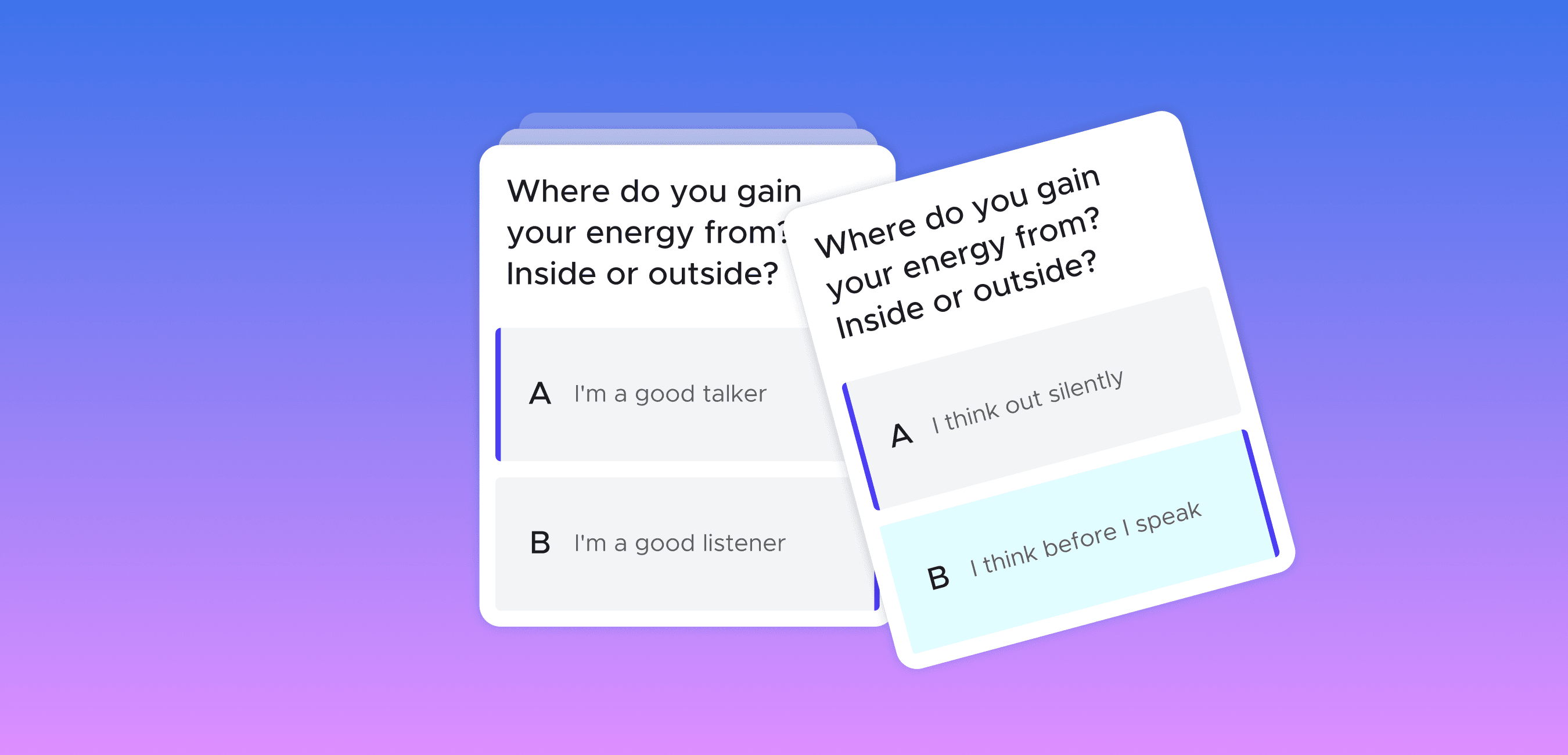
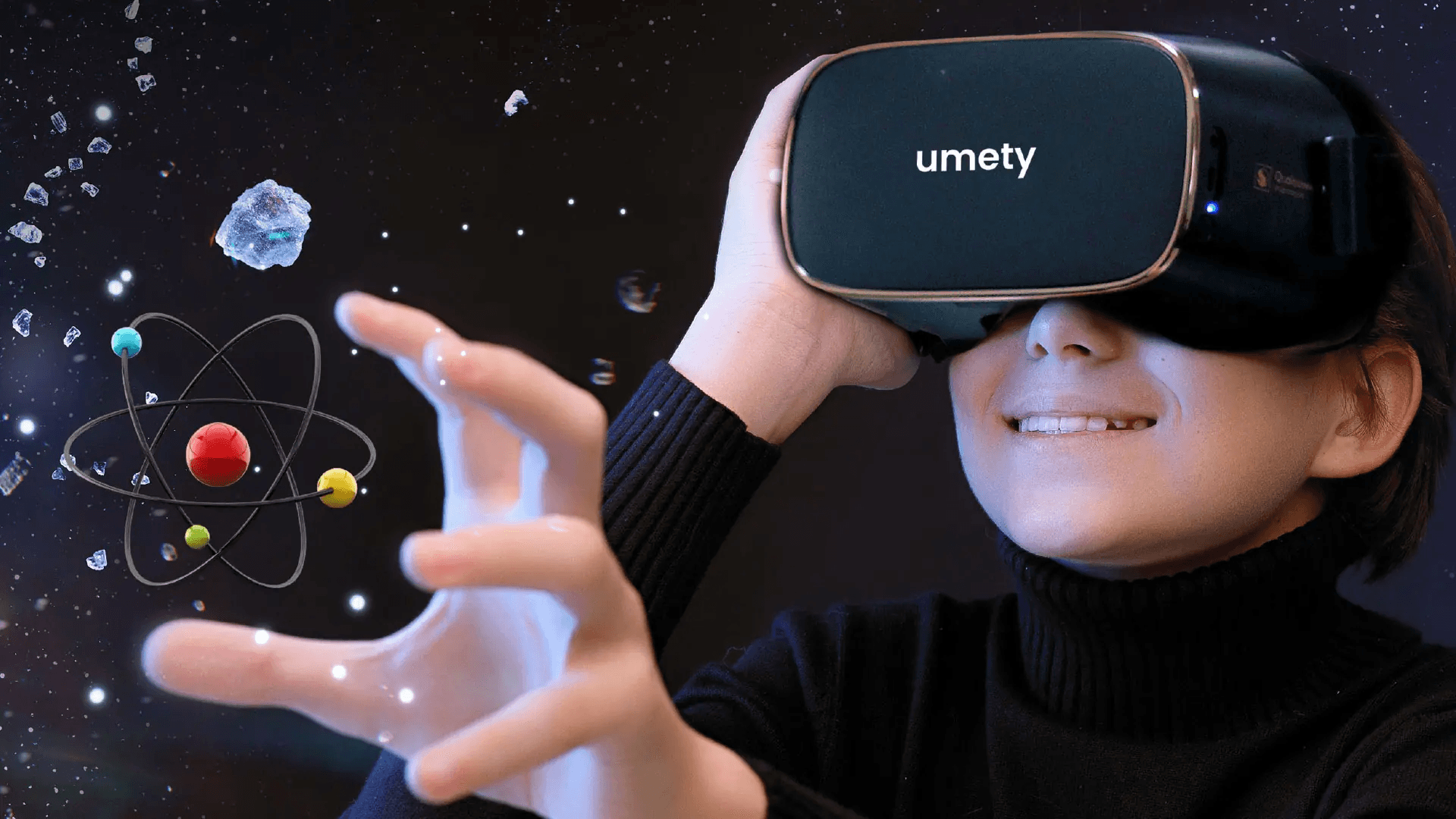
Our brainstorming sessions led to the concept of a metaverse-integrated VR learning platform. This would provide students with a more engaging and immersive learning environment from anywhere. The design incorporated clear visual cues, intuitive navigation, interactive elements, and shorter, more manageable learning modules with frequent breaks. We used Meta and Apple's VR/AR guidelines to ensure optimal usability and accessibility.
Design Process
We started with finding the current painpoints and noting those down where we have lot of issue regarding the used 3D assets size, Lot of accessibility issues and slugginess of our current system after zolt those down. I started with the possible wireframing in Figma, focusing on a user-friendly interface and a logical learning flow. Once the wireframing was freeze, I synced with 3D team to reduce the size and speed of system. Prototyping followed, allowing for iterative testing and refinement. The visual design emphasized clarity and accessibility, employing a color palette optimized for VR viewing and minimizing eye strain. User testing involved observing students using the prototype and gathering feedback on navigation, content clarity, and overall experience. We then integrated the design into the Unity development environment.
Challenges and Solutions
My initial unfamiliarity with VR and AR design guidelines presented a significant challenge. I addressed this by thoroughly studying the published guidelines from Apple and Meta. I learned about best practices for color palettes, UI layouts, and user interaction within VR environments. This knowledge informed design choices, ensuring a comfortable and effective learning experience.
The outcome we deliver
We rolled up our sleeves and got to work, turning Umety into a platform that makes learning feel effortless (and maybe even cool)
We knockout the entire environment, cutting the noise and keeping only what sparks joy—or in this case, learning.
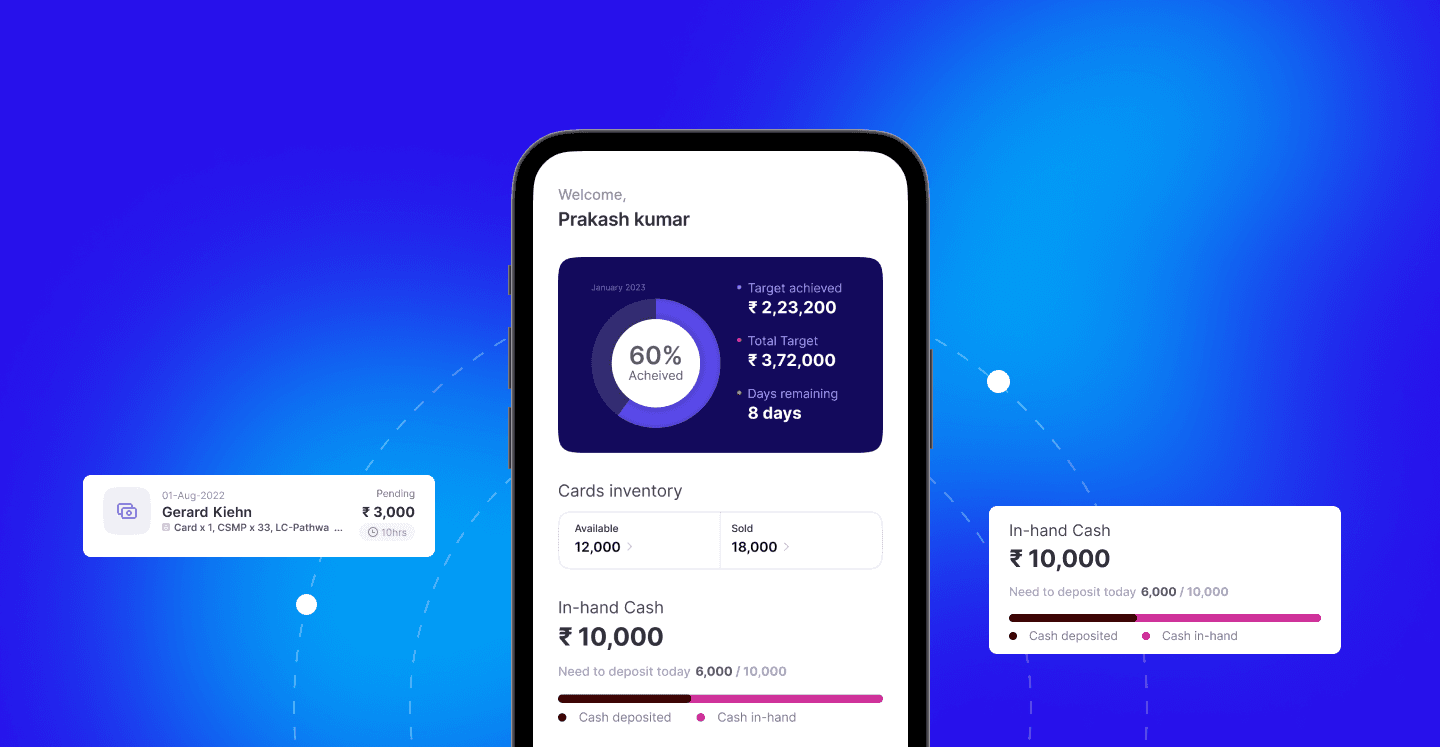
Tasks got a makeover. Think smaller, snappier lessons that make progress feel like a breeze and trimmed the fat from the task completion process, so students can learn more in less time.
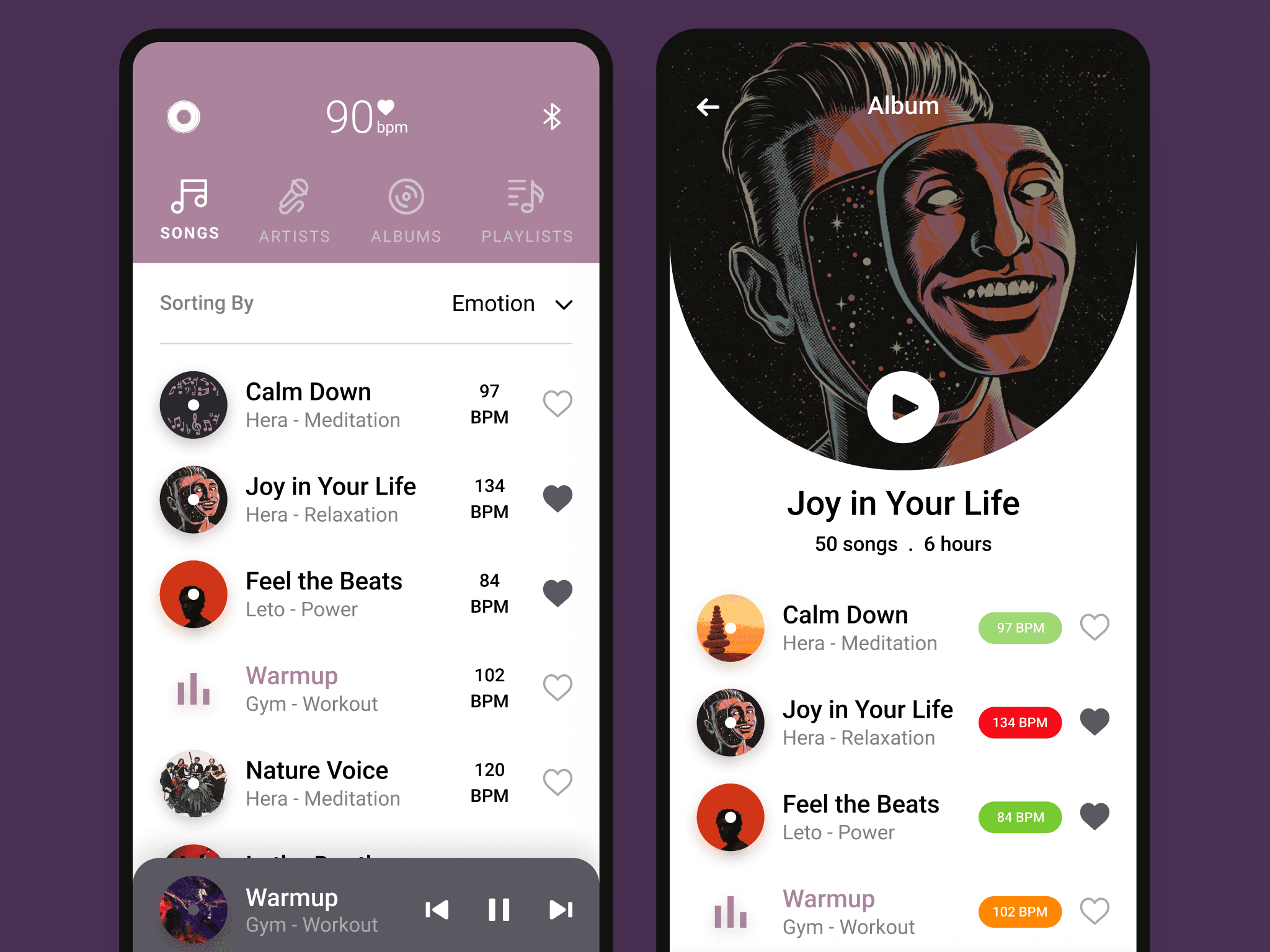
While expanding our horizon and make the fun learning usable anytime anywhere we have built a metaverse plane where students learn anytime from anywhere, hop on their phones or laptops to learn by playing.
Learnings and Reflections
This project was a valuable learning experience. I gained significant expertise in VR/AR/XR design industry, user research techniques and platform guidelines. I also get exposure to work with Shape XR and the importance of iterative design in achieving user-centered solutions.
I would further refine the user personas to encompass a wider range of learning styles and disabilities in future similar projects. I would also consider incorporating gamification elements to further enhance student engagement and study the various possible interaction in VR/XR domains.
Conclusion
The VR Learning Revolution project successfully improved student engagement and knowledge retention through a user-centered redesign. The platform's enhanced usability and clarity resulted in increased task completion rates and a more enjoyable learning experience. Future development plans was to involve expanding the platform's content library and further enhancing its interactive features.
Damn! That's a lotta scrolling
That's the end of this project.
🫢 Cant disclose more due to signed NDA.
This project was completed for Umety as part of my full-time role, and it is confidential. I can only provide a basic overview and project description publicly.
*Throw a DM on my LinkedIn or just hit the button to know more about the detailed process and execution

Check out more projects